





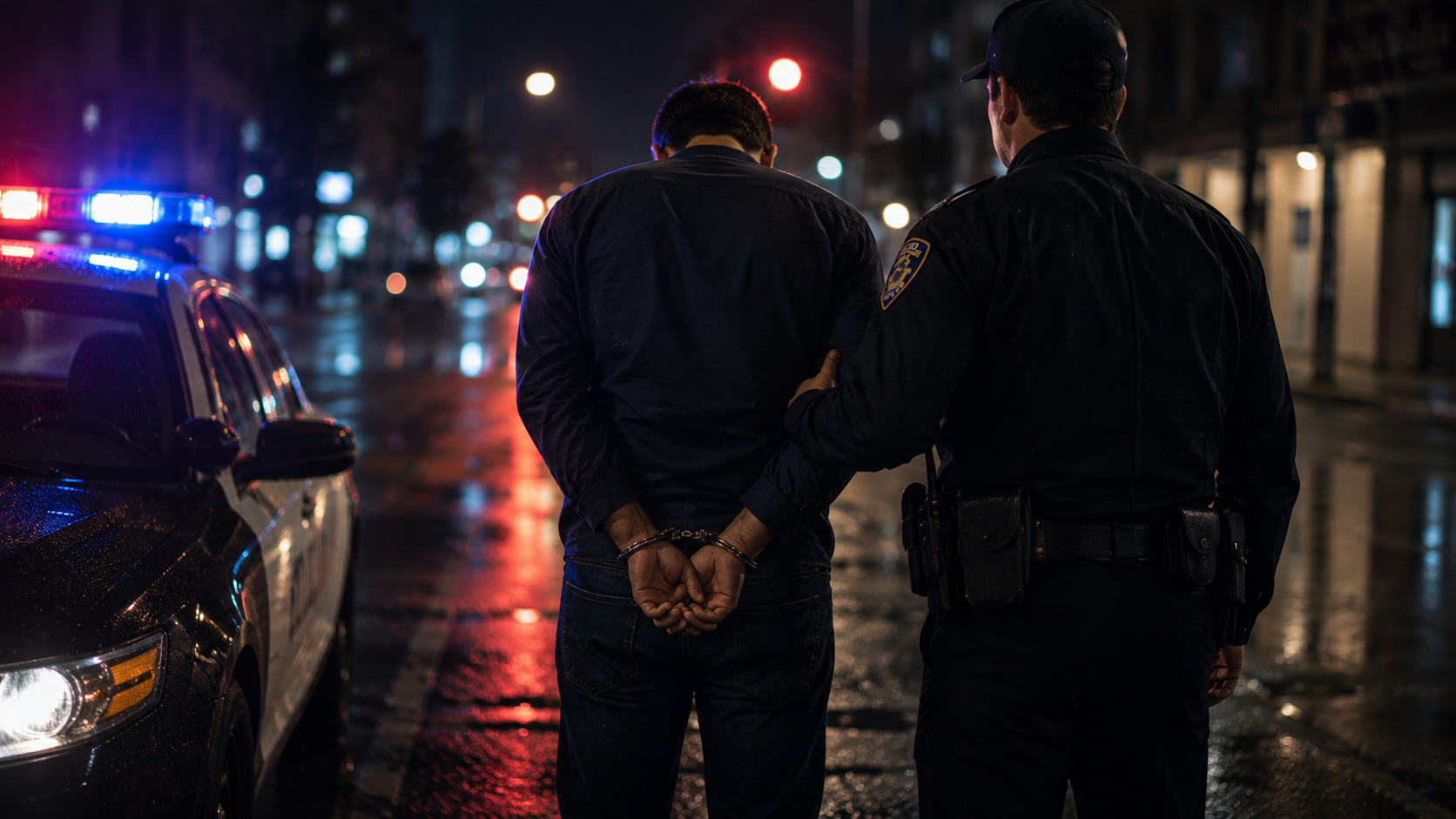
Caught With Drugs in Florida for the First Time? You Might Not Realize How Many Options You Actually Have
Prison isn’t the only outcome. But only if you know about these programs before you walk into court.
The Charge That Feels Like the End of Everything
A drug charge in Florida has a way of making you feel like your life is over before it’s really begun. Marijuana, cocaine, pills without a prescription, whatever it was, the moment you’re charged, you’re looking at a criminal record, possible jail time, and a future that suddenly feels very uncertain.
Here’s what most people arrested for drug possession in Florida don’t know. The state has built multiple off-ramps specifically designed to keep first-time offenders out of prison and off the permanent record. Nobody hands you a brochure explaining this at booking. Without an attorney who knows how to access these programs, most people never find out they exist.
How Florida Actually Classifies Drug Charges
Not all drug charges are equal, and where yours lands changes everything about your options.
Possession of 20 grams or less of cannabis is a first-degree misdemeanor under Florida Statute 893.13, up to a year in jail and a $1,000 fine. Possession of more than 20 grams is a third-degree felony. One thing worth being direct about here: recreational marijuana is still illegal in Florida. A 2024 ballot measure to legalize it got 56% of the vote but needed 60% to pass, and a second attempt to get it on the 2026 ballot fell short on signatures. Nothing has changed. Medical marijuana with a valid card is a separate legal category.
Possession of cocaine, heroin, methamphetamine, fentanyl, or MDMA in any amount below trafficking thresholds is a third-degree felony, up to 5 years in Florida state prison.
Possession with intent to sell is a heavier charge. For most common drugs like cocaine or heroin, that’s a second-degree felony, up to 15 years and a $10,000 fine. Certain substances and quantities can push it to a first-degree felony with a mandatory minimum 3-year sentence.
Drug trafficking is different from every other category on this list because it doesn’t require any proof you were selling anything. Under Florida Statute 893.135, trafficking is triggered by weight alone. And the thresholds are lower than most people expect. 28 grams of cocaine, about an ounce, triggers a mandatory minimum 3 years and a $50,000 fine. 4 grams of heroin does the same. Fentanyl gets treated even more harshly. 4 grams of fentanyl carries a 7-year mandatory minimum, more than double what the same weight of heroin gets, because of how much deadlier it is. Methamphetamine’s threshold sits at 14 grams. As weight climbs, so do the mandatory minimums, up to 25 years or more for the largest quantities, with judges having zero discretion to go lower.
The Most Powerful Option: Pretrial Intervention (PTI)
For first-time offenders, Florida’s Pretrial Intervention program under Florida Statute 948.08 is the single most valuable tool available. PTI is a supervised diversion program that usually runs around a year, sometimes up to 18 months depending on your specific conditions. Complete it, no new arrests, regular check-ins, drug testing, any required treatment, and your charges are dismissed entirely.
Not reduced. Not pled down. Dismissed. And once dismissed through PTI, the statute itself points you toward expungement, cases resolved this way are specifically eligible to have the arrest expunged under Florida Statute 943.0585, as if it never happened.
PTI isn’t automatic, though. The statute requires the program administrator, the state attorney, and the judge who handled your first appearance to all sign off. Prior record, the nature of the charge, and the quantity involved all affect whether you get in. This is exactly where having an attorney negotiate on your behalf makes a real difference.
Drug Court: When PTI Isn’t Available
For defendants who don’t qualify for PTI, often because of prior record or the seriousness of the charge, Miami-Dade’s Adult Drug Court is another path that avoids incarceration. It’s been running since 1989, the first program of its kind in the country, and it combines intensive judicial supervision with treatment for a minimum of one year, sometimes longer depending on your progress.
Successful graduates get their charges dismissed, and first-time offenders often see their case resolved as a nolle prosequi, meaning no prosecution at all, with records eligible for sealing or expungement afterward. Fail to comply, and the original charges go back to standard prosecution. It’s a real commitment. But for someone facing felony drug charges with limited alternatives, it can change the entire trajectory of the case.
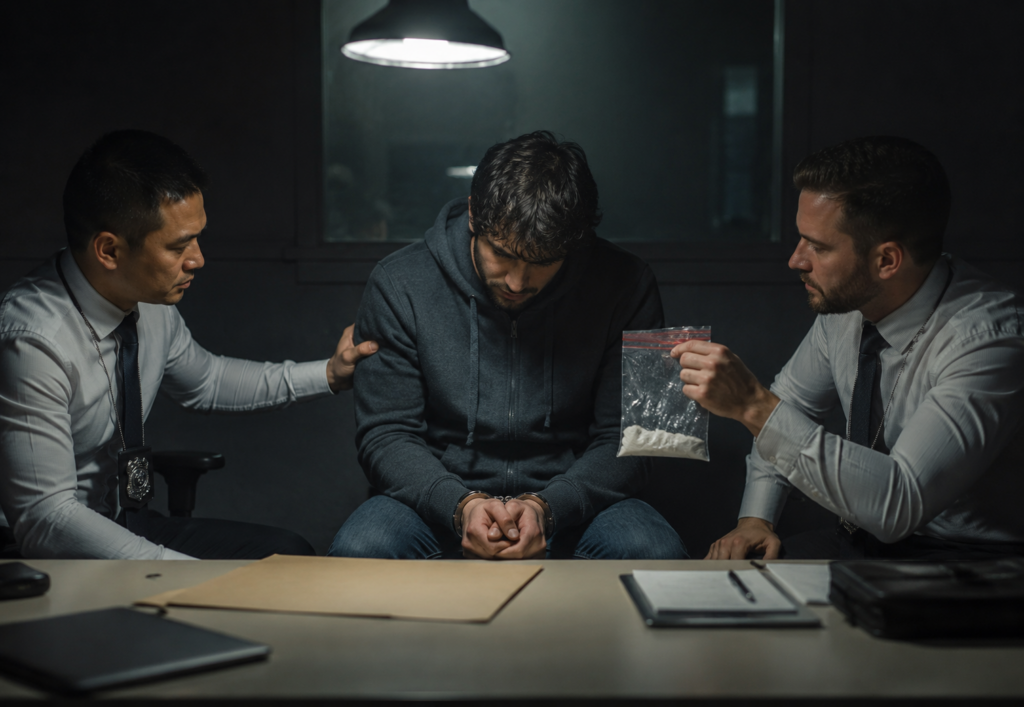
What Actually Makes a Drug Charge Worse
A few factors escalate charges fast, and it’s worth knowing which ones actually apply to your situation.
Selling, manufacturing, or possessing with intent to sell within 1,000 feet of a school, park, college, place of worship, or a few other protected locations doesn’t just bump up the charge. For the more serious drugs, it becomes a first-degree felony with a mandatory 3-year minimum on top of whatever the base charge already carried. Here’s the part that matters most if you’re facing a straightforward possession charge: this enhancement only applies to selling, manufacturing, or intent to sell. It does not apply to simple possession. If you weren’t accused of dealing, this particular escalation shouldn’t be on the table.
What does escalate a possession case is anything suggesting intent to sell, scales, baggies, larger amounts of cash found with the drugs. And prior convictions, even minor ones, can knock you out of eligibility for every diversion program listed above.
What Your Lawyer Looks For
On the defense side, one of the first things an attorney examines is whether the search that turned up the drugs was constitutionally valid. This is where a lot of drug cases actually fall apart for the prosecution. If police searched your car or home without a valid warrant or real consent, that evidence can be suppressed entirely. No evidence, no case, regardless of what was actually found.
What a Conviction Actually Costs You
A drug conviction in Florida, even a misdemeanor, carries consequences that outlast the sentence itself.
Under Florida Statute 322.055, a conviction for possession, sale, trafficking, or conspiracy to traffic triggers a driver’s license suspension, currently 6 months, with the possibility of a business-purposes-only restricted license once part of that period has passed. A lot of older content online still says this is a full year. It was, until the law was amended to shorten it.
Here’s one myth worth killing directly: your federal student loan eligibility is not on the line. That used to be true. Under the old rules, a drug conviction could suspend your federal financial aid. The FAFSA Simplification Act removed that question from the application entirely, fully phased in by the 2023-24 award year. A drug conviction can still affect you in plenty of real ways, but your federal aid isn’t automatically one of them anymore.
Employment and housing are a different story. Many employers and landlords still run background checks and can factor in a drug conviction, especially for certain licensed professions.
For non-citizens, this is where the stakes get highest. Under INA § 237(a)(2)(B)(i), a conviction for almost any controlled substance violation, felony or misdemeanor, is a deportable offense. There’s exactly one narrow exception in the statute: a single conviction involving possession of 30 grams or less of marijuana for personal use. Everything else, cocaine, pills, a second marijuana charge, any amount of anything else, falls outside that exception.
Don’t Decide Anything at Your First Appearance
Don’t plead guilty at your first court appearance. Don’t assume prison is inevitable. And don’t try to navigate this alone before you know what you’re actually facing and what programs might be available to you.
Frequently Asked Questions
What happens for a first-time drug possession charge in Florida? It depends heavily on the substance and amount. Cannabis under 20 grams is a first-degree misdemeanor. Most other drugs in possession-only amounts are third-degree felonies. First-time offenders often qualify for Pretrial Intervention, which can lead to full dismissal and later expungement.
Is marijuana legal in Florida in 2026? No, not for recreational use. Medical marijuana remains legal for registered cardholders only. A 2024 ballot measure to legalize recreational use got 56% support but needed 60% to pass, and a follow-up effort for the 2026 ballot didn’t gather enough signatures to qualify.
What is PTI and how long does it last? Pretrial Intervention is a supervised diversion program for first-time offenders under Florida Statute 948.08. It typically runs around 12 months, sometimes up to 18. Successful completion means your charges are dismissed, not reduced, and the case becomes eligible for expungement.
Does a drug conviction affect federal student aid in Florida? No, not anymore. The FAFSA Simplification Act removed the drug conviction question from federal student aid eligibility. This is one of the most common outdated assumptions people carry into court.
Will drug charges near a school automatically increase my sentence? Only if the charge involves selling, manufacturing, or possession with intent to sell within 1,000 feet of certain protected locations like schools, parks, or places of worship. This enhancement does not apply to simple possession charges.
Can a non-citizen be deported for a drug conviction in Florida? In most cases, yes. Under INA § 237(a)(2)(B)(i), nearly any drug conviction is a deportable offense. The only exception in the statute is a single conviction for possession of 30 grams or less of marijuana for personal use.
Find Out What You’re Actually Facing
Call Albert Quirantes, Esq. at (305) 644-1800 for a free, confidential consultation. We’ll tell you exactly where you stand and exactly what your options are, before you say anything you can’t take back.
Visit Albert Quirantes, Esq. Criminal DUI & Ticket Lawyers to learn more.
Albert Quirantes, Esq. has practiced criminal defense in Miami-Dade courts for more than 35 years and has handled more than 8,000 cases. Licensed by the Florida Bar, Bar No. 750270.
Sources
This article is based directly on Florida law, court programs, and federal statutes. You’re welcome to read the originals:
- Florida Statute 893.13 — cannabis and controlled substance possession penalties, possession with intent to sell
- Florida Statute 893.135 — drug trafficking thresholds and mandatory minimum sentences
- Florida Statute 948.08 — Pretrial Intervention program
- Florida Statute 943.0585 — expungement eligibility after dismissed diversion cases
- Eleventh Judicial Circuit of Florida, Adult Drug Court — official Miami-Dade Drug Court program page
- Florida Statute 322.055 — driver’s license suspension for drug convictions
- U.S. Department of Education, FAFSA Simplification Act guidance — removal of drug conviction question from federal student aid eligibility
- INA § 237(a)(2)(B)(i), U.S. Department of Justice, Executive Office for Immigration Review — deportability for controlled substance convictions
This article is for general information and isn’t legal advice. Every case is different. Call Us about your specific situation.