








Domestic Violence Charges in Miami: The System Is Already Working Against You Before You Say a Word
Even if the alleged victim wants to drop the charges, it may not matter. Here’s the truth.
One Phone Call. That’s All It Takes.
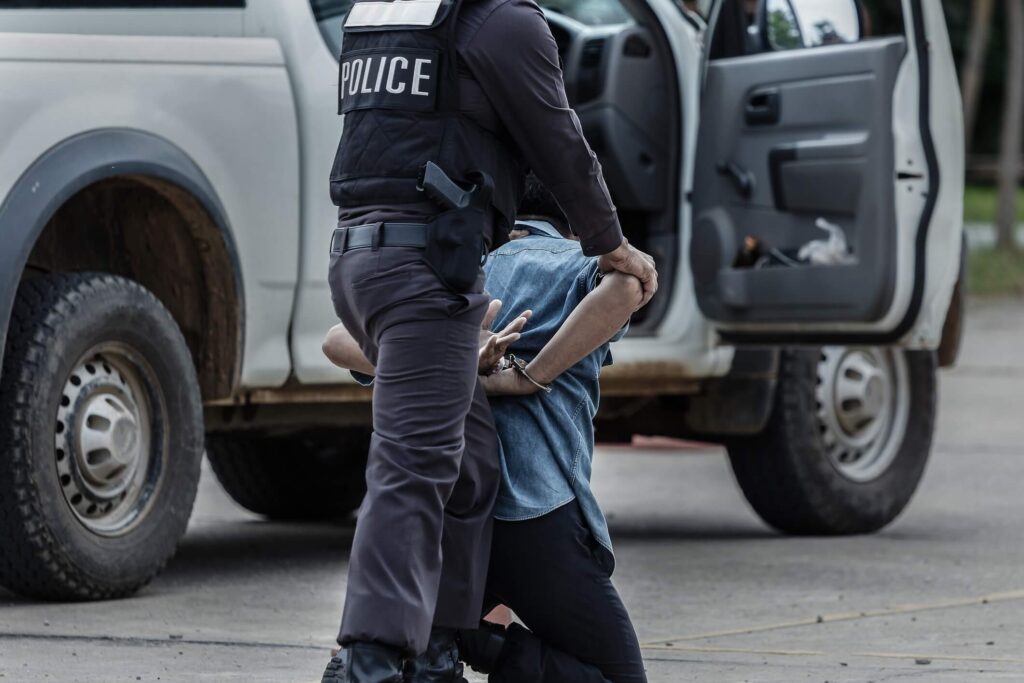
In Miami-Dade County, domestic violence calls don’t get handled like other calls. The moment an officer shows up to a reported domestic disturbance, the whole dynamic shifts.
Florida law directs officers to figure out who the “primary aggressor” is, and arrest is the preferred response toward that person. That decision belongs to the officer, based on what they see and the evidence at the scene. It doesn’t belong to the alleged victim. Even if both people say nothing happened, even if the alleged victim says they’re fine and doesn’t want anyone arrested, an officer who sees evidence of a physical altercation can still make an arrest.
That arrest sets off a chain reaction most people are completely unprepared for.
The #1 Myth: “She Can Just Drop the Charges”
This is the biggest misconception in domestic violence cases, and it costs people dearly. In Florida, domestic violence charges aren’t “pressed” by the alleged victim. They’re prosecuted by the State Attorney’s Office, on behalf of the State of Florida.
Florida law actually says this outright. Under Florida Statute 741.2901(2), the decision to file, not file, or divert charges belongs to specially trained domestic violence prosecutors, and the law specifically says they can make that call over the objection of the victim, if necessary.
What that means in practice: the alleged victim can recant. They can write a letter saying they don’t want to proceed. They can refuse to cooperate entirely. And the State can still move forward using other evidence, body cam footage, photos of injuries, 911 recordings, witness statements, text messages. The alleged victim’s wishes matter and can influence a prosecutor’s decision. They don’t control it. That catches people off guard constantly.
What Happens in the First 24 Hours
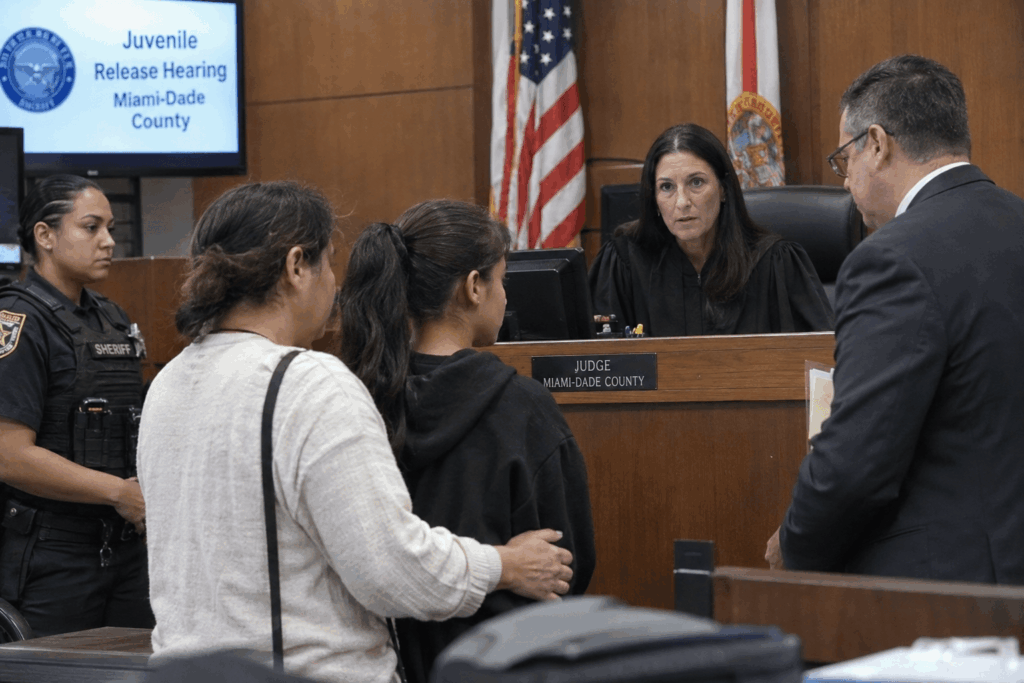
Once you’re arrested for an act of domestic violence, Florida Statute 741.2901(3) requires you to be held in custody, no bond, until you’re brought before a judge. First appearance typically happens within 24 hours.
At that hearing, the court is required by law to weigh the safety of the alleged victim and anyone else who might be in danger before deciding whether to release you, and on what terms. In practice, that almost always means a no-contact condition: no returning home, no calling, texting, emailing, or messaging the alleged victim, and often no contact with your own kids either.
Violating the No-Contact Order Is Its Own Crime
Here’s something people get wrong constantly, including in a lot of what’s written online about this topic: violating that no-contact condition isn’t a felony. It’s a first-degree misdemeanor under Florida Statute 741.29, punishable by up to a year in jail. But there’s a catch that makes it feel worse than the classification suggests. If you’re arrested for violating it, you’re held in custody again, no bond, until your next first appearance.
And here’s the part that trips people up. The no-contact condition applies to your conduct, not the alleged victim’s. If the alleged victim reaches out to you and you respond, or you’re somewhere and they show up, that can still count as you violating the order. Courts look at whether you willfully had contact, not who started it. This is exactly why you don’t respond to any contact from the alleged victim while a no-contact order is active, no matter who initiates it.
No-Contact Order vs. a Domestic Violence Injunction: What’s the Difference
People use “restraining order” loosely, but there are actually two different things that can apply here, and they work differently.
A no-contact condition is part of your criminal case. A judge sets it at first appearance, and it goes away when the criminal case ends or a judge modifies it.
A domestic violence injunction, what most people mean by “restraining order,” is a completely separate civil case under Florida Statute 741.30. The alleged victim files a petition on their own, independent of whether you’re criminally charged with anything. If a judge grants it, violating that injunction is a separate crime under Florida Statute 741.31, generally a first-degree misdemeanor, though it can escalate to a felony with repeated violations or new violence involved.
You can be facing a no-contact order, a civil injunction, or both, at the same time, from the same incident. They need to be handled together, not separately.
What a Conviction Actually Costs You
A misdemeanor domestic violence conviction, the most common outcome for a first offense, carries up to a year in jail, up to a year of probation, community service, and under Florida Statute 741.281, a mandatory batterers’ intervention program as a condition of probation.
That program isn’t a quick class. Florida Statute 741.325 requires it to run at least 29 weeks, with 24 weekly sessions plus intake and assessment. And you pay for it. The statute specifically requires these programs to be funded by fees from the people who attend them.
There’s also a federal consequence that catches a lot of people completely by surprise. Under 18 U.S.C. § 922(g)(9), known as the Lautenberg Amendment, a misdemeanor domestic violence conviction triggers a firearm ban under federal law. Not temporary. Permanent, unless the conviction is later expunged, pardoned, or your civil rights are restored, which, as you’ll see below, is rarely available for domestic violence cases in Florida. Possessing a firearm after that conviction is itself a separate federal felony, punishable by up to 10 years in federal prison.
Felony domestic violence charges cover a wider range. Felony battery and domestic battery by strangulation are third-degree felonies, up to 5 years in prison. Aggravated battery, which applies when there’s a deadly weapon or serious injury, is a second-degree felony, up to 15 years.
For non-citizens, domestic violence sits in its own category under federal immigration law. INA § 237(a)(2)(E)(i) makes a domestic violence conviction a standalone ground for deportation, separate from the general rules that apply to most other crimes.
And unlike a lot of other Florida charges, a domestic violence conviction, or even a withheld adjudication after a plea, generally can’t be sealed or expunged. Florida Statute 943.0584 specifically excludes domestic battery, felony battery, domestic battery by strangulation, and aggravated battery from that relief, permanently. One thing worth knowing if your case never got that far: if your charges were fully dismissed and you never entered a plea, that’s a different situation, and expungement may still be on the table. It’s the conviction or the plea that closes that door, not the arrest itself.
How a Defense Attorney Actually Fights These Charges
Despite how it feels in the moment, domestic violence charges are defensible, and they get successfully fought every day in Miami-Dade and Broward courts. The right strategy depends on the specifics of your case, but common approaches include challenging whether the physical evidence actually matches the alleged assault, presenting evidence that the allegation was false or exaggerated (this happens more often than people assume, especially in the middle of a divorce, custody fight, or bad breakup), establishing self-defense, cross-examining the alleged victim on inconsistent statements, challenging whether the arrest itself was lawful, and negotiating for a diversion program where it’s available.
The key is having an attorney involved from your very first court appearance, before you’ve said anything that can be used against you, and before the state has had time to build its case unchallenged.
Every Hour Counts
Every hour after a domestic violence arrest is an hour the system spends building a case. Evidence gets preserved. Statements get taken. Decisions about how to prosecute get made, often before you’ve even talked to a lawyer.
Frequently Asked Questions
Can the alleged victim just drop domestic violence charges in Florida?
No. Domestic violence charges in Florida are prosecuted by the State Attorney’s Office, not the alleged victim. Under Florida Statute 741.2901(2), prosecutors can proceed even over the victim’s objection if other evidence supports the case.
Does Florida require police to arrest someone in every domestic violence call?
Not exactly. Florida Statute 741.29 directs officers to identify the primary aggressor and treats arrest as the preferred response toward that person. It’s the officer’s call based on the evidence, not something the alleged victim can prevent by asking police not to arrest anyone.
What happens if I violate a no-contact order in a Florida domestic violence case?
It’s a first-degree misdemeanor under Florida Statute 741.29, punishable by up to a year in jail, and you’re held without bond again until your next first appearance. It applies to your conduct even if the alleged victim initiates the contact.
What’s the difference between a no-contact order and a domestic violence injunction?
A no-contact order is a condition of your criminal case, set by a judge at first appearance. A domestic violence injunction is a separate civil case the alleged victim files under Florida Statute 741.30. You can have both from the same incident, and they’re enforced separately.
Can a domestic violence conviction be expunged in Florida?
Generally, no. Florida Statute 943.0584 excludes domestic battery and related charges from sealing or expungement once there’s a conviction or a plea with withheld adjudication. If your charges were fully dismissed with no plea entered, expungement may still be available.
Will a domestic violence conviction affect my gun rights or immigration status?
Yes, on both. Under 18 U.S.C. § 922(g)(9), a misdemeanor domestic violence conviction triggers a permanent federal firearm ban. For non-citizens, INA § 237(a)(2)(E)(i) makes a domestic violence conviction its own standalone ground for deportation.
Call Now
Albert Quirantes, Esq. is available 24/7 for emergency consultations at (305) 644-1800. Decades of experience in Miami-Dade and Broward courts, strategic defense starting from your first court appearance. Your family, your freedom, and your record deserve a real fight from day one.
Learn more about domestic violence defense or visit Albert Quirantes, Esq. Criminal DUI & Ticket Lawyers.
Albert Quirantes, Esq. has practiced criminal defense in Miami-Dade courts for more than 35 years and has handled more than 8,000 cases. Licensed by the Florida Bar, Bar No. 750270.
Sources
- Florida Statute 741.29 — primary aggressor arrest policy, penalty for violating pretrial release conditions
- Florida Statute 741.2901 — prosecutorial authority over victim objection, custody until first appearance
- Florida Statute 741.281 — mandatory batterers’ intervention program, minimum 1 year probation
- Florida Statute 741.325 — batterers’ intervention program requirements, 29-week minimum, user-fee funded
- Florida Statute 741.30 — domestic violence injunction process
- Florida Statute 741.31 — violation of a domestic violence injunction
- Florida Statute 784.045 — aggravated battery
- Florida Statute 784.041 (via WomensLaw.org) — felony battery and domestic battery by strangulation
- Florida Statute 943.0584 — offenses excluded from sealing or expungement
- 18 U.S.C. § 922(g)(9), U.S. Department of Justice — federal firearm ban for misdemeanor domestic violence convictions
- INA § 237(a)(2)(E), via WomensLaw.org — deportability ground for domestic violence convictions
This article is for general information and isn’t legal advice. Every case is different. Call Us about your specific situation.