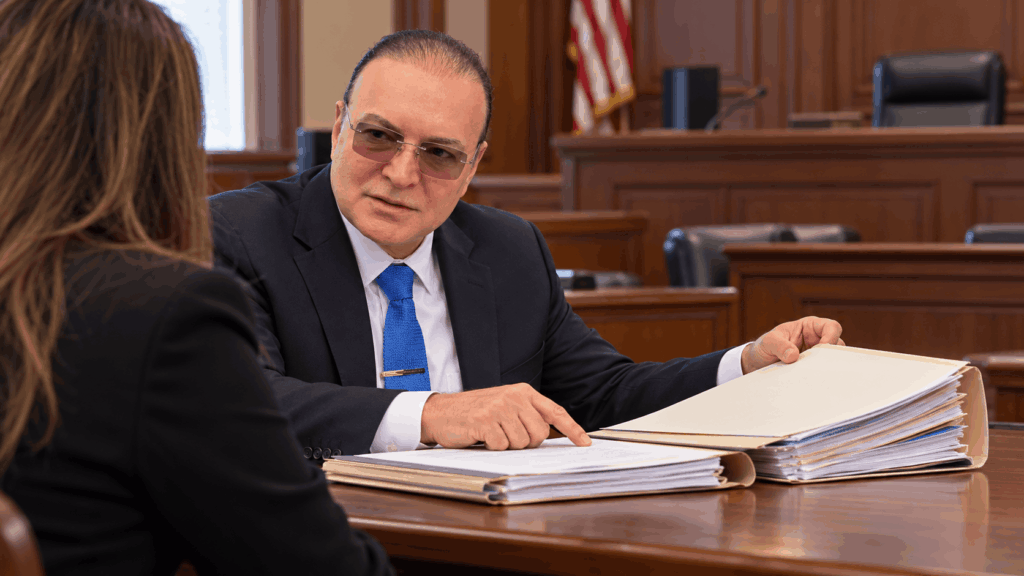









Your son is filling out a college application. Your daughter just got a call back for her first real job. Then comes the question on the form: “Have you ever been arrested?” And you remember something you heard years ago. Juvenile records disappear at 18. Don’t they?
Not exactly. Florida has several record rules, and a birthday alone does not explain them. Before your child answers that question, find out what record exists today and which rule applies to it.
Confidential is not the same as erased
People use these words as if they mean the same thing. They do not.
Confidentiality limits who can see information. Expunction is a legal remedy that affects specific records in specific ways. Neither one makes everyone forget. A school file, a newspaper story, a court file and the state criminal history database are each governed by their own rules.
Florida Statute 985.04 makes many juvenile records confidential, but it has significant exceptions. Some identifying information and arrest reports involving felony accusations, for example, are not confidential just because the accused is a child. So do not assume a juvenile case was invisible to the public from day one.
What happens at 18
Turning 18 does not automatically erase anything. What it can open is a window. Florida Statute 943.0515 allows certain people who are at least 18 and younger than 21 to apply for early expunction of their juvenile record.
The requirements are demanding. Among them, the applicant must have gone a qualifying five-year period without being charged with or found to have committed a criminal offense, must be free of court supervision, and needs approval from the State Attorney in each circuit involved. For a teenager whose case happened recently, that five-year requirement alone may close the door. Eligible to apply is not the same as approved.
The general rule at 21
For most young people who are not classified as serious or habitual juvenile offenders, and who were not committed to a maximum-risk residential program, section 943.0515 generally provides that the juvenile criminal history record is kept until age 21 and then expunged, unless an exception applies.
That is real relief, and it happens through the state’s criminal history process. It is not a promise that every separate copy of every record vanishes on a birthday. If an important application is coming, get the actual record. Do not guess that the process already happened.
Why some records last until 26
The same statute keeps records longer for a young person classified as a serious or habitual juvenile offender, or committed to a maximum-risk residential facility. Those records are generally kept until age 26, subject to exceptions.
There are also exceptions for forcible felonies and certain sexual offender records. Those provisions can require the juvenile record to be kept and merged into an adult record. That is why a lawyer needs the complete history, including any adult case, before anyone predicts what happens at 21 or 26.
Diversion has its own path
If your child completed a diversion program, a different statute may help. Florida Statute 943.0582 allows expunction of a qualifying nonjudicial arrest record after successful completion of diversion. Your child must apply on the state’s form with a written statement from the State Attorney certifying completion. Forcible felonies and certain firearm or weapon felonies are excluded, and a child who has been charged with or found to have committed another offense before applying does not qualify.
The current statute contains no filing deadline. That is not a reason to wait. A single new charge before the application is filed can end eligibility. The Florida Department of Law Enforcement’s application guidance explains the paperwork. Our articles on juvenile diversion in Miami-Dade and the prearrest delinquency citation program explain how a child gets there.
Sealed locally, expunged at the state level
Section 943.0582 treats things differently depending on who holds the record. At the state level, the nonjudicial arrest record is expunged, with limited access left for criminal justice purposes. Records held by local agencies in the county of arrest are sealed. So when someone asks whether every copy was destroyed, the honest answer depends on the remedy granted and the agency involved.
A case that went to court with formal charges needs a different analysis than an arrest resolved through diversion. Your lawyer should identify the arresting agency, the state record and any court file.
Before your child answers that question on the form
Read the exact question. Applications ask different things. Some ask about arrests, some about convictions, some about sealed or expunged records, and the right answer depends on the wording and on the legal effect of the relief your child received. Do not copy an answer from the internet.
If a background check shows a case your family believed was gone, keep the report and do not send an explanation to the employer or school yet. A lawyer can compare that entry with the actual court disposition and relief documents and figure out what correction is needed. Our expungement page explains record relief in more detail.
The lawyers who will review the record
Record questions start with how the case was handled in juvenile court. Stephen Millan, Esq. is a former Miami-Dade Circuit Court Judge who presided over hundreds of criminal and juvenile cases, and a former Miami-Dade Assistant State Attorney. Arthur Spiegel, Esq. is a former Miami-Dade Assistant Public Defender in the juvenile and criminal divisions who has represented hundreds of juveniles in criminal cases, with more than 40 years of experience. Jorge E. Alonso, Esq. has defended the accused in Miami-Dade state and federal courts for more than 40 years, has tried more than 100 jury trials to verdict and has represented juvenile respondents in delinquency cases. Jonathan Ibáñez, Esq., a bilingual criminal defense trial lawyer and a native of South Florida, served as a volunteer Guardian ad Litem in Broward County, where he interviewed children and families and advocated for children in dependency proceedings. Albert Quirantes, Esq. is a criminal trial lawyer with 38 years of experience who has defended numerous juvenile cases in Miami-Dade County. Visit our attorneys page and our Miami juvenile defense page.
Keep a private folder with the disposition, any program completion letter and any sealing or expunction order. If an application deadline is close, say so on the first call.
For more information or help, schedule a free strategy session at the law offices of Albert Quirantes, Esq. Criminal DUI & Ticket Lawyers. Text or call 305-644-1800 now.