







Attorney Albert Quirantes has represented thousands of people charged with all types of drug crimes in Florida. Depending on the amount of drugs involved in your case, “minimum mandatory” sentences may apply in Florida.
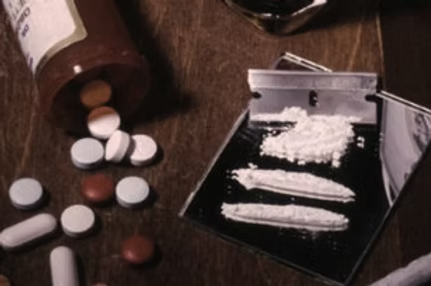
“Minimum Mandatory” sentences are imposed if a client is convicted of a trafficking charge. “Trafficking” refers to the amount of drugs found in the case. You do not have to be selling drugs in order to be charged with trafficking.
There are many defenses available to you when you have been arrested for a drug crime in Florida, even if drugs were found in your home, your car, or even on your person.
Attorney Albert Quirantes, Esq. knows law enforcement procedures for drug arrests and can identify violations that can lead to dismissal of all drug charges. He will defend your Constitutional rights and will scrutinize every element of your case.
The most common drug crime in South Florida is possession. Possession of drugs can be actual or constructive. Actual possession of drugs in South Florida means that the drugs were found on your person, in a container that was on you, or was well within your reach.

Constructive possession means that the drugs were found in a place over which you had control. Possession charges in Miami can be for many drugs, including Cocaine, Marijuana, Heroin, Ecstasy-MDMA, Oxycontin, Oxycodone, and Hydrocodone.
There are trafficking charges for all the illegal drugs. In order to be trafficking marijuana, you have to possess over 25 pounds or 300 or more plants. A trafficking amount of cocaine begins at 28 grams. For pills, such as oxycodone, hydrocodone, and morphine, you can be arrested for trafficking if you only possess 4 grams or more of the substance.
Another drug charge in Florida is Sale or Delivery of drugs. You “sell” drugs if you transfer or deliver the controlled substance to anyone.
Most of the time, people are arrested for sale of drugs when they sell or attempt to sell drugs to an undercover officer. Even if you don’t actually do the selling, you can still be arrested for this charge if you deliver the drugs. That means that you were involved in some way with the buyer buying drugs from a seller.

In addition to possessing and selling drugs, it is also a crime to grow marijuana in Florida. The crime is Cultivation of Marijuana, which is a third degree felony punishable by up to five years in prison. Even if you are growing only one pot plant, you can be arrested for this felony.
There are also misdemeanor drug crimes in Florida, such as Possession of Less than 20 Grams of Marijuana and Possession of Drug Paraphernalia.
Call us today at 305-644-1800 for your free consultation.
A drug arrest can put your freedom, job, driver’s license, and immigration status at risk. Finding a substance in a car, home, or pocket does not settle every legal issue. The prosecution still has to prove the charged offense, and the defense can challenge how officers obtained and handled the evidence.
Answered around the clock. Free and confidential. English or Spanish.
Do not wait until a plea deadline to learn your options. Call or text 305-644-1800 to schedule a free strategy session with Albert Quirantes, Esq. Criminal DUI & Ticket Lawyers. We can discuss the charge, available defense work, and representation terms so you can decide whether to hire our firm to protect your rights and guide you through the case.


At Albert Quirantes, Esq. Criminal DUI & Ticket Lawyers, we defend people accused of drug crimes in Miami-Dade and throughout Florida. We examine the stop, search, laboratory results, and connection between you and the substance. Our goal is to identify defenses and help you make informed decisions about your case.
Call or text 305-644-1800 for a free strategy session. Bring your arrest paperwork, citations, and any prescription information so we can discuss the accusation and how hiring our firm can help you respond.
Represented since 1987
English and Spanish

Florida Statute 893.13 covers unlawful possession, sale, delivery, manufacture, and other controlled-substance conduct. The exact charge depends on the substance, quantity, alleged conduct, and statutory exceptions. A valid prescription or other lawful authorization can matter.
Common allegations include cocaine, fentanyl, heroin, methamphetamine, cannabis, and prescription medications possessed without lawful authorization. Some cases also involve drug paraphernalia under Florida Statute 893.147. An ordinary object is not automatically illegal paraphernalia; its alleged use and the evidence of intent matter.
Possession with intent to sell is different from simple possession. Trafficking under Florida Statute 893.135 can be based on possessing a statutory quantity without proof of a completed sale. These charges require a separate analysis of weight, substance, intent, and sentencing provisions. This general page explains the starting points for drug defense.
Actual possession generally involves physically holding or carrying a substance. Constructive possession concerns the ability to exercise control over a substance that is elsewhere, together with the legally required knowledge. Shared cars, apartments, luggage, and storage areas often raise questions about who knew what and who could control the item.
Being near drugs or riding in a car where drugs are found does not automatically establish possession. We examine the location, access, statements, fingerprints, recordings, and other evidence connecting the accused to the substance. Ownership of a vehicle or home does not end that analysis.
Knowing that a substance is present is a different issue from knowing that it is illegal. Under Florida Statute 893.101, knowledge of the substance’s illicit nature is not an element of Chapter 893 offenses; lack of that knowledge is an affirmative defense. The facts and applicable jury instructions determine how that defense is presented.

Under Florida Statute 893.13, ordinary unlawful possession of many controlled substances is a third-degree felony. Possession of 20 grams or less of cannabis is generally a first-degree misdemeanor, but that provision excludes extracted resin and its preparations. Concentrates and other products require separate classification; do not assume every cannabis product receives the same treatment.
Florida Statute 775.082 and Florida Statute 775.083 provide ordinary maximum penalties that include up to one year in jail and a $1,000 fine for a first-degree misdemeanor, and up to five years in prison and a $5,000 fine for a third-degree felony. Higher-degree charges, trafficking provisions, criminal history, and sentencing rules can substantially change the exposure. These maximums do not predict the outcome of your case.
A resolution may also involve probation, testing, treatment, court costs, and conditions of release. Controlled-substance cases can affect employment and professional licensing. For a noncitizen, even a seemingly favorable criminal resolution can create serious immigration problems. We coordinate appropriate immigration review before a plea when needed.
Driver’s License Consequences and Reinstatement
Florida Statute 322.055 requires license consequences for adults convicted of specified drug offenses, even when no driving was involved. The statute provides a six-month suspension or a period tied to evaluation and required treatment, and addresses restricted privileges in qualifying circumstances. A withhold, dismissal, and conviction can have different effects; the actual disposition and license record must be reviewed.
We can help you pursue reinstatement when eligible and assess restricted-driving options. When legally supported, we can seek to set aside ticket-related suspensions or bench warrants for missed hearings. We can request permission to appear and resolve eligible matters in your absence, using affidavits, written authority, and other documents required by the court. The court decides whether your personal appearance can be excused.
1
We review the reason for the stop, its duration, searches of pockets or vehicles, consent, warrants, and any claimed exception to the warrant requirement. Body-camera footage can reveal facts missing from a report. If an unlawful search or interrogation produced evidence, we evaluate a motion to suppress. Suppression or dismissal depends on the facts and law.
2
We question assumptions based on proximity, shared access, or another person’s conduct. A substance in a passenger’s bag, a shared console, or a common room can present very different proof issues. Your defense should address the actual location and evidence of knowledge and control.
3
For charges requiring knowledge, we investigate what notice was issued and what the driver allegedly said. We also review whether the evidence identifies the accused as the driver and establishes the conduct charged. Body-camera and dashboard-camera footage can supply context missing from a short report.
4
A valid prescription may support a defense to unlawful possession. We review pharmacy records, the prescribed person, substance, timing, and other circumstances. Having a prescription does not authorize sharing, selling, or possessing every medication, and medical cannabis authorization does not excuse every form of possession or use.
5
Florida Statute 948.08 provides pretrial intervention and substance-abuse treatment pathways for eligible defendants. Requirements, prior history, allegations of dealing, and program availability matter. Successful completion can lead to dismissal under applicable provisions, but admission and completion must not be assumed. We compare these options with motions, negotiation, and trial before you decide.
Call 911 when someone may be overdosing. Florida Statute 893.21 protects qualifying good-faith requests for medical assistance from certain possession and paraphernalia charges when the evidence comes from seeking help. It also addresses specified release, probation, and parole violations. The protection is limited and does not create immunity for every drug offense or prevent use of evidence in every other prosecution. Tell your lawyer if the investigation began with an overdose emergency.
A child’s drug case deserves a defense that considers the evidence, school, treatment needs, family support, and future record. Juvenile court is not simply adult sentencing with smaller penalties. Serious allegations can also raise questions about prosecution in adult court.
Under Florida Statute 985.345, qualifying children facing certain second- or third-degree felony drug-related charges may be eligible for a voluntary substance-abuse intervention program when funded services are available. Prior felony adjudications and evidence of dealing or selling can affect admission. The court may dismiss charges after successful completion; eligibility and dismissal require individual review.
Florida Statute 985.12 also provides prearrest delinquency citation programs for qualifying misdemeanors under circuit policies. We evaluate whether a suitable alternative exists, challenge unsupported possession allegations, and help families understand treatment conditions and record consequences. Do not assume a juvenile record automatically disappears at adulthood.
1
Do not discuss the facts on recorded jail calls or social media, delete messages, or contact potential witnesses about their statements. You can clearly invoke your right to remain silent and ask for counsel. Follow lawful directions and court orders. Give your lawyer the paperwork promptly.
2
We review custody, release conditions, the prosecutor’s filing decision, and court deadlines. An arrest charge may change after the prosecutor reviews the evidence. Early work can preserve video and prescription records before they become difficult to obtain.
3
We obtain discovery, compare recordings with reports, review laboratory evidence, and investigate possession and authorization. We file motions when supported and assess available treatment or diversion options.
4
You decide whether to accept a plea after receiving advice about proof, defenses, penalties, licensing, and immigration consequences. If the case proceeds to trial, the prosecution must prove the charged elements beyond a reasonable doubt. No attorney can promise a dismissal or a particular sentence.
Albert Quirantes has practiced criminal defense for more than 35 years, represented more than 8,000 clients, and handled numerous jury trials. The firm has over 1,400 five-star Google reviews and serves clients in English and Spanish.
The attorney team includes Stephen Millan, former Miami-Dade Circuit Court judge and former prosecutor; Arthur Spiegel, former prosecutor and former public defender with more than 40 years of experience; Jorge E. Alonso, bilingual attorney with more than 40 years of experience; and Jonathan Ibañez, a criminal defense trial lawyer whose work includes legal technology and AI-based defenses.
Hiring our firm gives you a team to examine the evidence, explain your choices, and prepare your defense. We serve clients in Miami, Miami Beach, Hialeah, Doral, Coral Gables, Homestead, North Miami, and other Florida communities. Albert Quirantes, Esq. Criminal DUI & Ticket Lawyers is located at 1815 NW 7th Street, Miami, FL 33125.

They may allege possession even if you deny ownership. The defense examines knowledge, control, location, and shared access. Ownership and possession are different issues.
No. A first accusation may make certain options available, but the charge, evidence, history, and program requirements still matter. We review defenses before recommending a resolution.
Yes, lawful authorization can be important. Bring pharmacy records and prescription details. The prescription must actually cover the substance and circumstances involved.
Successful completion may lead to dismissal, but record sealing or expungement is a separate eligibility question. Do not assume a dismissed case becomes invisible automatically.
An explanation can become evidence. You can clearly state that you wish to remain silent and request counsel. Do not lie, resist, destroy evidence, or ignore lawful commands.
Do not wait until a plea deadline to learn your options. Call or text 305-644-1800 to schedule a free strategy session with Albert Quirantes, Esq. Criminal DUI & Ticket Lawyers. We can discuss the charge, available defense work, and representation terms so you can decide whether to hire our firm to protect your rights and guide you through the case.