






They Found a Gun in Your Car in Florida. What Happens Next?
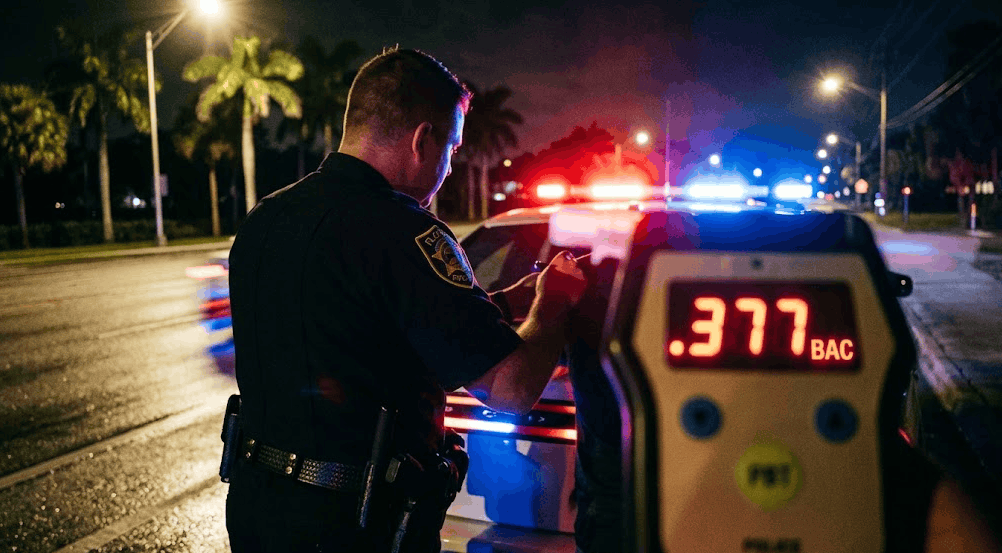
A traffic stop can turn serious very quickly.
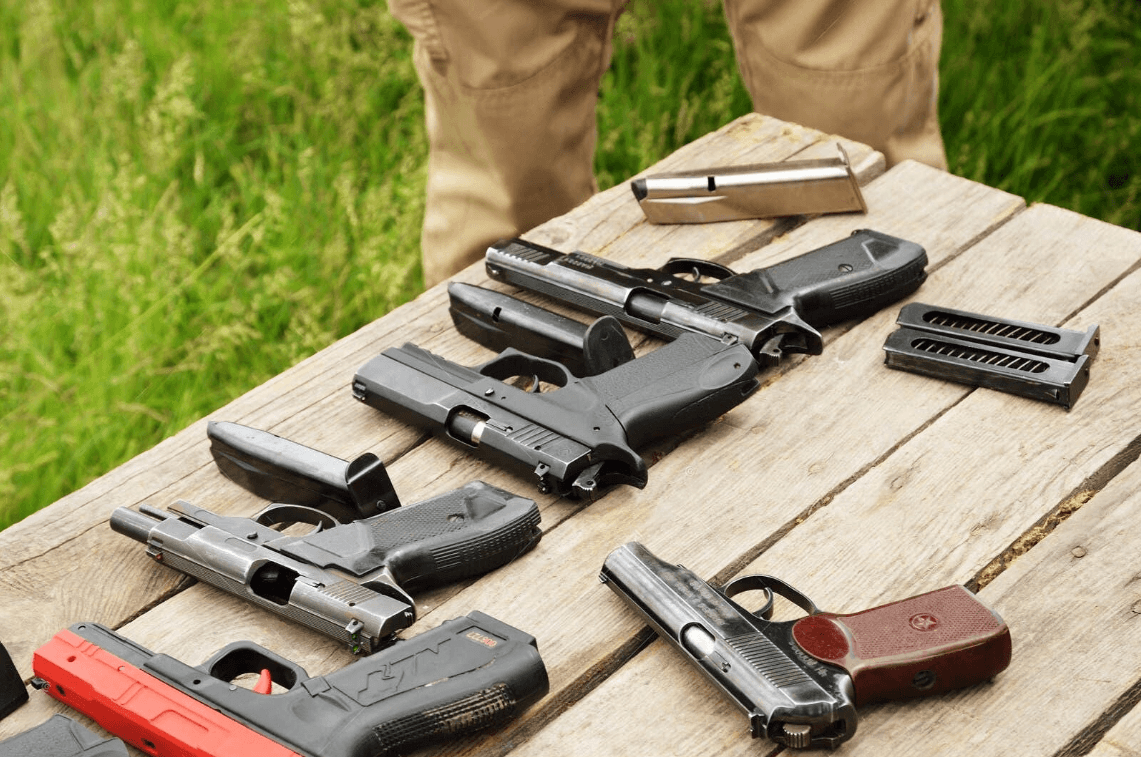
An officer pulls you over, asks a few questions, and then a firearm is found inside the vehicle. Maybe the gun belongs to you. Maybe it belongs to someone else. Maybe you didn’t even know it was there.
What happens next depends on several things, including who legally possessed the firearm, where it was found, why police searched the vehicle, and whether you have a prior criminal record.
Florida also has some very serious firearm penalties. In certain felony cases, having a gun can add a mandatory minimum prison sentence on top of the underlying charge.
So if police found a firearm in your car, what should you expect?
Florida’s 10-20-Life Law Can Add Years to a Sentence
Florida’s 10-20-Life law is found in Florida Statute §775.087.
The basic idea is simple: when a firearm is involved in certain serious felonies, the law can require a minimum prison sentence.
For qualifying offenses, the minimum can be:
- 10 years if the person actually possessed a firearm during the felony.
- 20 years if the firearm was discharged.
- 25 years to life if the discharge caused death or great bodily harm.
These are mandatory minimum sentences. That means a judge generally cannot simply decide to sentence below the statutory minimum when the enhancement applies.
The law also has important details that can change the outcome. For example, someone convicted of possession of a firearm by a felon or burglary of a conveyance may face a 3-year minimum rather than the standard 10-year minimum in certain circumstances. See Florida Statute §775.087.
That’s one reason a firearm case should not be judged only by looking at the fact that a gun was found. The specific charge matters.
Is It Illegal to Have a Gun in Your Car?
Not every firearm found in a vehicle automatically means the driver committed a crime.
Florida law includes protections for lawful possession of firearms in vehicles, but there are important restrictions. The person’s criminal history, the location, the way the firearm was carried, and other facts can all matter. See Florida Statute §790.25 and §790.251.
Open carry also became more complicated after a 2025 appellate court decision.
In McDaniels v. State, Florida’s First District Court of Appeal struck down Florida’s open-carry prohibition, finding that law-abiding adults have a Second Amendment right to openly carry firearms. The Florida Attorney General later issued guidance to law enforcement and prosecutors following the decision. Read the Florida Attorney General’s September 15, 2025 guidance on open carry.
However, the published Florida statute still contains the prior open-carry language. Because the practical effect of a court decision can differ from the wording of the statute itself, anyone dealing with a current firearm case should have an attorney review the law that applies to the specific situation.
Who Is Not Allowed to Possess a Firearm?
One of the most serious problems is a prior felony conviction.
Under Florida Statute §790.23, certain people with felony convictions are prohibited from owning, possessing, or controlling a firearm or ammunition.
Federal law can create another problem. Under 18 U.S.C. §922(g), certain people, including those convicted of crimes punishable by more than one year in prison, are generally prohibited from possessing firearms.
This means a person may face both state and federal consequences.
A prior conviction also does not have to be recent. Someone may have completed probation or finished a sentence years ago and still have a firearm-possession problem.
There is an even more serious federal penalty for certain people with three qualifying prior convictions. Under the Armed Career Criminal Act, 18 U.S.C. §924(e), a qualifying firearm-possession conviction can carry a 15-year mandatory minimum for a person with three prior convictions for certain violent felonies or serious drug offenses.
A Protective Order Can Also Affect Your Right to Possess a Gun
A person does not have to be a convicted felon to be prohibited from possessing a firearm.
Under Florida Statute §790.233, a person generally cannot possess a firearm or ammunition while subject to certain final injunctions involving domestic violence, stalking, or cyberstalking.
Violating the statute is a first-degree misdemeanor under Florida law.
Federal law may create additional firearm restrictions depending on the circumstances. That can make these cases more complicated than they first appear.
What About Non-U.S. Citizens?
A firearm case can create another problem for someone who is not a U.S. citizen.
Under INA §237(a)(2)(C), certain firearm-related convictions can make a noncitizen deportable.
That means a person dealing with a firearm charge may have more at stake than the criminal sentence alone.
For that reason, non-citizens should not assume that accepting a plea deal is safe simply because it avoids jail or reduces the criminal charge.
A criminal defense attorney and an immigration attorney may need to look at the case together before any plea is entered.
What If the Gun Was Found During a Traffic Stop?
This is often one of the most important questions.
Police cannot automatically search every part of your vehicle simply because they pulled you over. The legality of a vehicle search depends on the facts and the legal justification for the search.
An attorney will want to know why the search happened and what happened immediately before the firearm was discovered.
For example:
- Was there probable cause for the search?
- Did you give police permission to search?
- Was the search based on another lawful exception?
- Where exactly was the firearm?
- Were other people inside the vehicle?
- Did you know the firearm was there?
- Did you actually have control over it?
Those details can make a major difference.
If a search violated the Fourth Amendment, an attorney may be able to ask the court to suppress the firearm as evidence. If the weapon is excluded from the case, the prosecution may have a much harder time proving the charge.
What Should You Do After a Gun Is Found in Your Car?
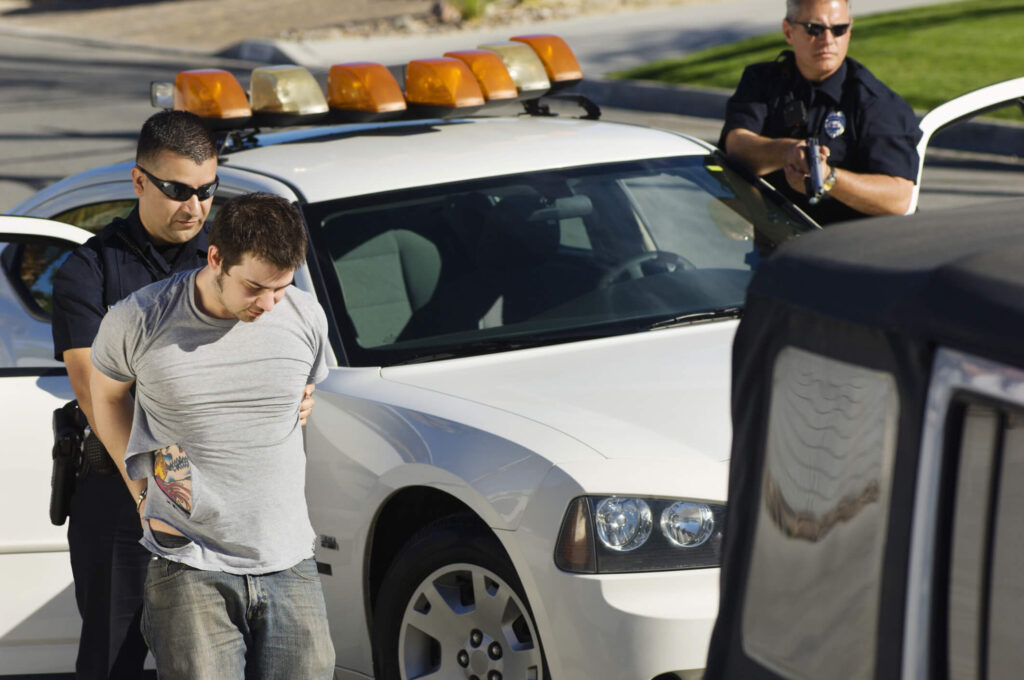
If you are being investigated or arrested over a firearm found in your vehicle, be careful about what you say.
You can provide the information required during the traffic stop, but you generally do not need to explain your entire situation to police without speaking to an attorney first.
Do not try to guess what police already know. Do not assume the case is minor because the firearm was simply sitting in the vehicle. And do not assume that having a firearm in the car automatically means you will be convicted.
The facts surrounding the search, possession, location of the firearm, and your criminal history can all matter.
Most importantly, speak with a defense attorney as early as possible. Early legal advice can help protect your rights and give your attorney more opportunities to investigate what happened before important decisions are made.
Facing a Gun Charge in Miami-Dade or Broward County?
A firearm case can involve Florida law, federal law, constitutional search issues, sentencing enhancements, and sometimes immigration consequences.
That is a lot to deal with on your own.
If police found a gun in your vehicle and you are facing a charge in Miami-Dade or Broward County, contact Albert Quirantes, Esq. at (305) 644-1800 for a free consultation, available 24/7.
The sooner Albert Quirantes, Esq reviews the facts of your case, the sooner you can understand what you are actually facing and what your legal options may be.